Cold-Weather Workouts: Layers, Footing, and a Return Plan
For cold-weather exercise, plan around wind, wet conditions, footing, and how quickly you can get indoors. Wear layers you can adjust as effort changes. The air temperature alone cannot tell you whether a particular route or outfit will be suitable.
What matters besides temperature?
Wind, rain, snow, ice, and daylight affect the outing. Check the forecast and local warnings, then consider the actual surface you will use. A familiar path may be unsuitable when covered in ice even if the temperature feels manageable.
Mayo Clinic’s winter-exercise guidance highlights wind chill, wet clothing, and the option of moving a workout indoors. Conditions can change while you are outside, so plan the return rather than only the first few minutes.
How should you dress?
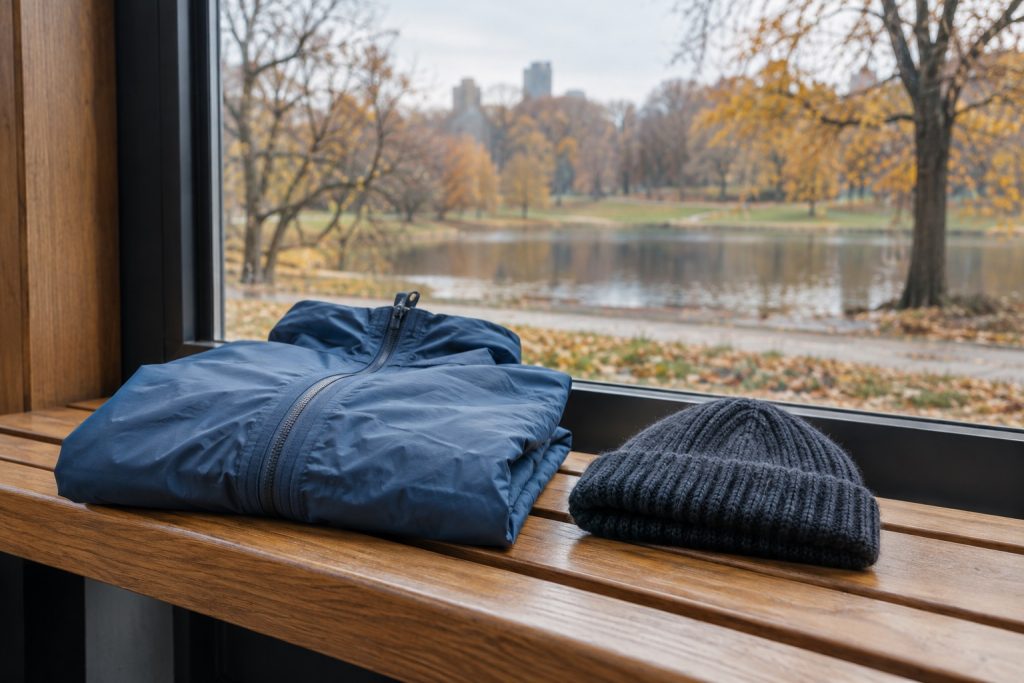
Use a moisture-managing base layer, insulation suited to the conditions, and an outer layer that addresses wind or precipitation. Protect your hands, ears, and feet. Adjust layers as you warm up instead of letting clothing become soaked with sweat.
No fixed outfit works for every person and activity. A continuous brisk walk and a stop-start outing can feel different. Note what you wore and how it worked so the next decision reflects your experience rather than a stranger’s temperature chart.
What makes a useful first route?
Choose a short, familiar route with reliable footing and an easy way indoors. Loops near home can offer more exit options than a long outward journey. Keep enough attention on the surface to notice changes rather than trying to hold a precise pace at all costs.
As a planning example, two short loops with a clothing check between them may be easier to adjust than one remote loop of equal length. This is a route-management choice, not a claim that one distance is safe in all weather.
When should the plan change?
Turn back if clothing becomes wet, footing deteriorates, or you cannot stay comfortably warm. Keep an indoor alternative available. Our short-workout guide can help when outdoor plans no longer fit.
Get out of the cold for numbness or suspected frostbite and seek medical help; do not rub affected skin. Intense shivering with confusion, slurred speech, or loss of coordination can signal hypothermia. Seek emergency help immediately, including 911 in the US.
How do you keep the habit through winter?
Keep the activity goal flexible enough to allow indoor days. A changed route or shorter session can still support a consistent walking habit. For longer outings, use the additional route questions in hiking versus walking rather than treating a winter trail like a neighborhood sidewalk.
Related reading
Reflective Gear vs Lights for Evening Walks
Related reading
About this article: an introductory editorial draft. Not yet independently reviewed by a fitness professional.