Practical guides
Understand the terms. Make sense of the advice.
Build your knowledge, one clear answer at a time.
The reading list
Articles: 621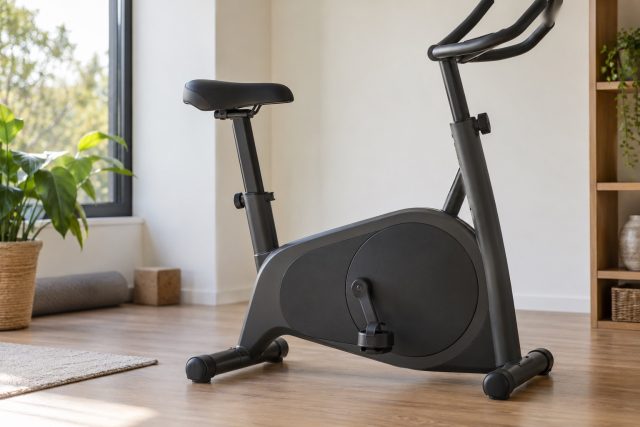
Stationary Bike Workouts for Beginners: Setup, Effort, and Progress
Beginner indoor cycling with setup guidance, a worked session timeline, equipment routes and a printable five-field bike session log.
How Long Does It Take to Walk a Mile? A Pace Conversion Guide
Estimate walking time for one or two miles, include the return journey and stops, and keep pace conversions separate from effort targets.
How to Breathe During Strength Training
Learn when to breathe out during beginner strength exercises, separate breathing from tempo and bracing, and prepare useful questions for your instructor.
Do You Need Electrolytes for Every Workout?
Learn when water is usually enough, when exercise conditions change hydration needs, and what to compare on an electrolyte-drink label.
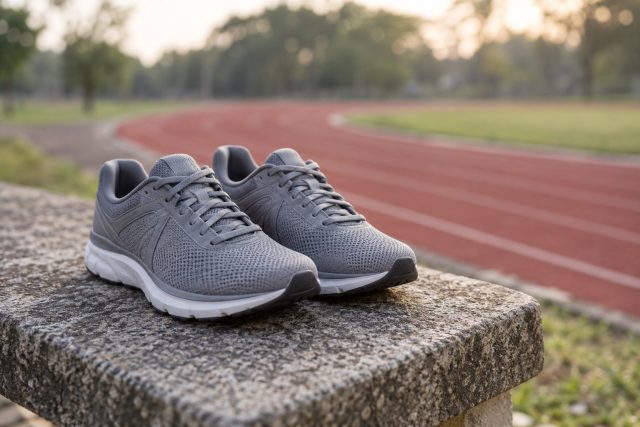
How to Start Running With Walk–Run Intervals
A beginner run–walk guide with a printable session card: copy your plan, leave room for recovery and record what you actually completed.
Rest Days Between Strength Workouts: Plan the Week, Not Just the Gap
Plan rest between strength sessions with calendar examples, an honest workload comparison and a reusable weekly worksheet. Hours alone do not certify recovery.
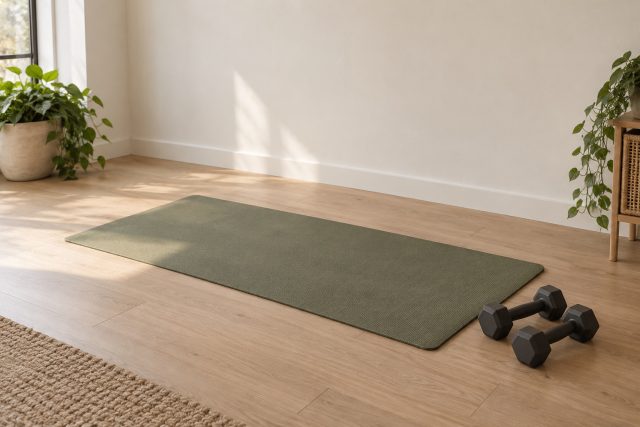
Home Gym Equipment for Beginners: What Do You Actually Need?
Choose home exercise equipment by task, usable loads and space, with five decision questions, a worked example and a printable comparison sheet.

Walking vs. Running: Which Fits Your Fitness Goals?
Compare walking and running by effort, time, and practicality. Learn how each counts toward activity guidance and how to choose a repeatable routine.
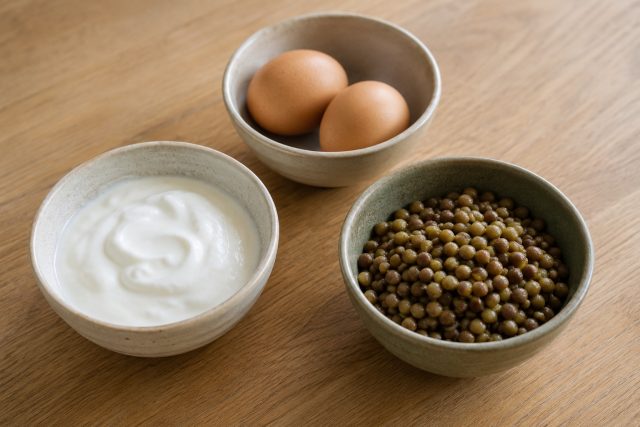
How Much Protein Do You Need Per Day to Build Muscle?
Understand daily protein guidance for healthy adults who lift weights, calculate grams from body weight, and put the 1.6 g/kg research finding in context.
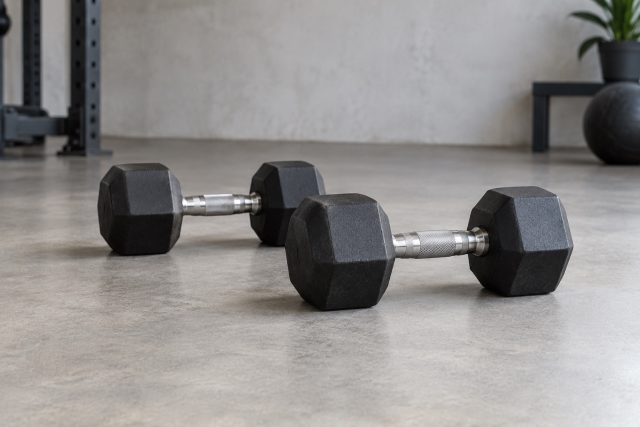
How Many Reps Should You Do to Build Muscle?
Learn how rep ranges, load, and effort work together for muscle growth, why 8–12 is not a magic range, and how to track progression.

Exercise Order: Priorities, Paired Sets and Busy-Gym Changes
Choose an intentional exercise order, preserve paired-block instructions, handle occupied equipment and compare workout logs with changed sequences.
Is It Better to Work Out in the Morning or Evening?
Morning or evening workouts: compare usable time, completed sessions and sleep with a worked calendar example and five-field review.
Fitness has enough jargon.
Let's make room for clarity.