Fitness, explained.
Understand the terms. Make sense of the advice.
Build your knowledge, one clear answer at a time.
The reading list
Articles: 667
Rest Between Sets: Timing, Examples and What to Record
Read rest instructions correctly, distinguish rest from start-to-start timing and see how pauses change total workout time.
RPE: Rating of Perceived Exertion, Explained
Understand RPE scales, compare set and session ratings, and use worked examples plus a printable five-field effort record.
Repetitions in Reserve: Meaning and a Recording Worksheet
Understand 2 RIR, separate completed reps from estimated reserve, and use a simple worksheet to record effort without false precision.

Training Volume: Count Sets, Reps and Load Without Mixing Them Up
Use a set-by-set volume calculator, compare kg and lb, and learn what sets, repetitions and volume load can—and cannot—tell you.
Full-Body or Split Training: Compare the Calendar Before Choosing
Compare gym visits, body-region coverage and real weekly time. Includes a two-week rotating schedule and a checklist for missed sessions.
Unilateral and Bilateral Exercises: How to Count Reps per Side
Count reps per side, alternating reps and sets correctly, with worked examples and a simple log that separates planned work from completed work.
Isometric Exercises: How to Read, Time and Record a Hold
Understand static holds, count sets and seconds, separate work from rest and compare like-for-like records. Includes a timing table and two practice questions.

How to Use the Talk Test During Walks and Runs
Use speaking comfort to describe aerobic effort. Includes a worked walking example, observation card and the limits of assigning heart-rate zones.
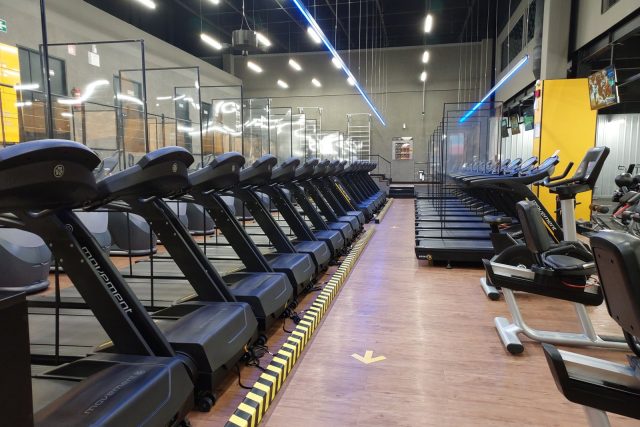
Interval vs. Continuous Training, Explained
Interval and continuous training explained, with timing examples, final-recovery formulas and a printable five-point timer record.
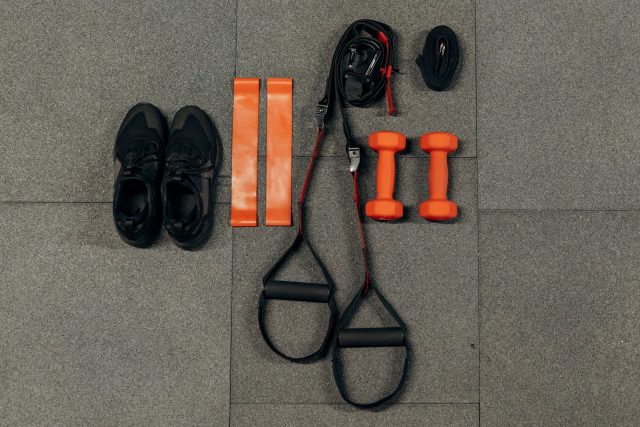
Circuit Training: Read Stations, Rounds and Rest Correctly
Read a circuit workout without confusing stations, rounds, repetitions and rest. Includes a worked timing table and a simple record of actual work.
How to Read Workout Tempo: Numbers, Pauses and Set Timing
Read three- and four-part tempo instructions, understand phase order, and estimate set time with clear examples and checks.
Warm-Up and Cool-Down: Build Them Into Your Session
Print a five-field session card for preparation, main work, ending and actual timing. Includes writing space and instructions for missing observations.
Fitness has enough jargon.
Let's make room for clarity.