Interval vs. Continuous Training, Explained
Interval training alternates planned work periods with recovery periods. Continuous training keeps the main activity going without planned recovery breaks, often at a relatively steady effort. These terms describe how a session is arranged.
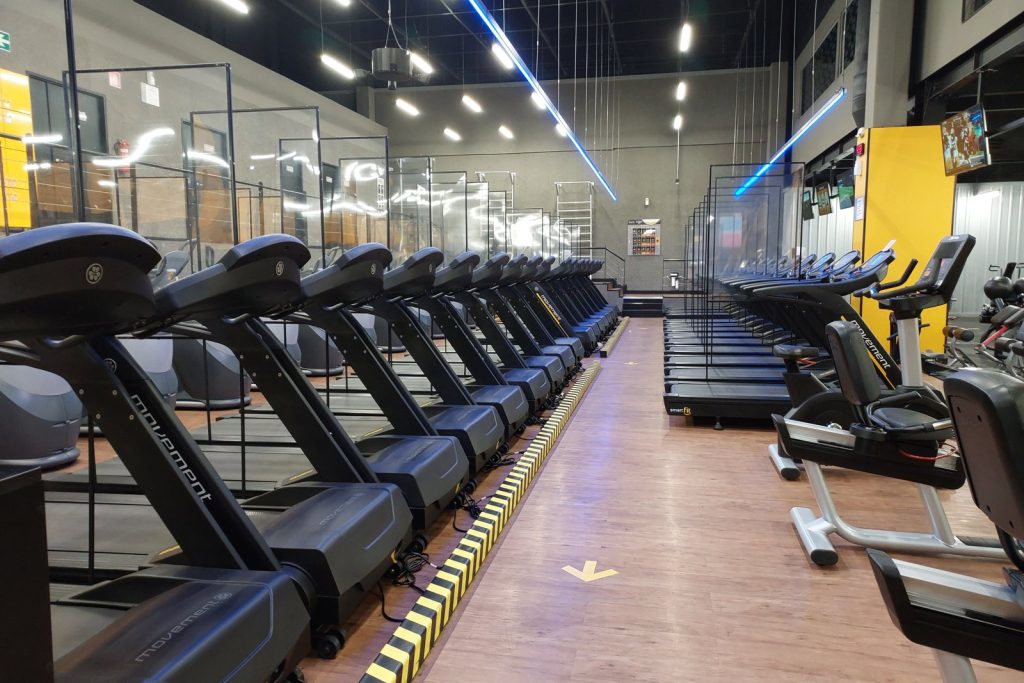
Two ways to organize the middle of a workout
A continuous session might involve sustained walking or cycling. An interval session divides the main work into repeated blocks, with easier movement or rest between them. ACE discusses steady-state and interval approaches as different ways to organize aerobic exercise. Read ACE’s comparison of the formats.
The word “interval” alone does not mean all-out effort. High-intensity interval training, or HIIT, specifies repeated high-intensity efforts separated by recovery. A timer that beeps every minute does not establish that the activity is HIIT. See ACE’s explanation of HIIT.
Count recovery when calculating duration
Consider a fictional instruction: “Repeat one minute of work and two minutes of recovery four times.” Each cycle lasts three minutes, so four complete cycles take twelve minutes. The work portions total four minutes and recovery totals eight.
If the author instead intends recovery only between work periods, there would be three recovery blocks, making ten minutes overall. That is why “four intervals” can be ambiguous without a written sequence. Ask whether recovery follows the final effort.
These numbers demonstrate timing, not a suggested workout. Add any warm-up and cool-down separately when estimating the appointment length.
Read the four-cycle example on a clock
These are elapsed minutes:seconds from the start of the main block, not a time of day. The table includes recovery after every work period. It illustrates the instruction above; it is not a prescribed session.
| Cycle | Work | Recovery |
|---|---|---|
| 1 | 00:00–01:00 | 01:00–03:00 |
| 2 | 03:00–04:00 | 04:00–06:00 |
| 3 | 06:00–07:00 | 07:00–09:00 |
| 4 | 09:00–10:00 | 10:00–12:00 |
The last work period ends at 10:00. Including its recovery extends the block to 12:00; omitting that final recovery ends it at 10:00. A separate cool-down starts after whichever ending your plan specifies. Do not silently count the same two minutes as both final recovery and an additional two-minute cool-down.
The same ratio can describe different sessions
Work:recovery = 1:2 means recovery lasts twice as long as one work period. Convert both values to the same units first: 30 seconds:1 minute is 30:60 = 1:2, not 30:1. Four complete 30-second/60-second cycles take 6 minutes, including 2 minutes of work. Four complete 60-second/120-second cycles take 12 minutes, including 4 minutes of work. The ratio is identical; the durations are not.
This ratio describes timing only. It does not establish effort, recovery quality, energy use or equal training effects. Easier movement during recovery and standing still should be recorded differently.
Check the timer before the session
- Work duration and units; activity and intended effort.
- Recovery duration and what to do during it: easier movement or rest.
- Number of work periods, not just an unexplained “rounds” label.
- Whether recovery follows the last work period, plus separate preparation countdown, warm-up and cool-down.
- What actually happened: completed work periods, shortened blocks, extra pauses and whether the timer kept running.
For N identical work periods of length W and recovery periods of length R, the main block is N × (W + R) with final recovery, or N × W + (N − 1) × R with recovery only between work periods. Use N ≥ 1 and a single time unit. With one work period, “between” means zero recovery periods. Add separate preparation and finishing blocks once.
For a written walking/running sequence use the existing run–walk planner; for an indoor example use the beginner bike guide.
Duration does not define intensity
A short work interval can still have an easy target, and a long continuous session can be demanding. Read the effort instruction alongside the timer. Your plan might use a pace, an exertion rating, or another clearly defined target.
The talk test and RPE describe effort in different ways. Neither is automatically interchangeable with a machine’s resistance setting.
Keep work and recovery visible in your notes
A useful fictional entry says “four complete cycles; one-minute work and two-minute recovery; final recovery included.” It leaves less room for confusion than “intervals: twelve minutes.” Add the activity and the plan’s effort target to identify what those minutes contained.
If a session moves between exercises as well as timed blocks, it may also be a circuit. Preserve both the station order and the timer structure so you can understand what actually happened.
Put the session in context
Our comparison of cardio and strength training explains their different roles. For indoor walking or running, learn to read treadmill speed, pace, and incline.
Try an indoor rowing session
See our guide to rowing-machine basics for beginners for practical examples and the limits of the general guidance.
Practice a new interval activity
See our guide to jump-rope basics for beginners for practical examples and the limits of the general guidance.
Printable interval timer record
Open the printable timer record
Open the sheet, then use your browser’s Print command. Choose A4 or Letter, check the preview and scale to fit if needed. The sheet is blank for handwriting; it does not run a timer or save entries.
Use the five prompts on this page to copy your chosen plan before the session and record what happened afterwards. Write the date and activity at the top of your notes. The sheet helps describe timing; it does not choose an exercise intensity for you.
Write units beside every duration. Mark final recovery as included or omitted, and enter separate warm-up and cool-down only once. If the plan changes its interval lengths, list the sequence rather than forcing it into one repeated pattern.
Afterwards, distinguish the planned total from elapsed time and completed work. Record extra pauses and whether the clock kept running. Leave unknown values marked unknown; zero means that a phase had no duration.
About this article: an introductory editorial draft. Not yet independently reviewed by a fitness professional.