Training basics
Understand the terms. Make sense of the advice.
Build your knowledge, one clear answer at a time.
The reading list
Articles: 46
Training Volume: Count Sets, Reps and Load Without Mixing Them Up
Use a set-by-set volume calculator, compare kg and lb, and learn what sets, repetitions and volume load can—and cannot—tell you.
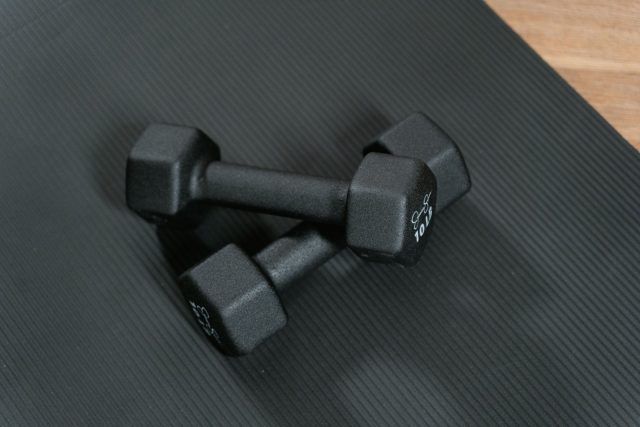
Unilateral and Bilateral Exercises: How to Count Reps per Side
Count reps per side, alternating reps and sets correctly, with worked examples and a simple log that separates planned work from completed work.

Isometric Exercises: How to Read, Time and Record a Hold
Understand static holds, count sets and seconds, separate work from rest and compare like-for-like records. Includes a timing table and two practice questions.
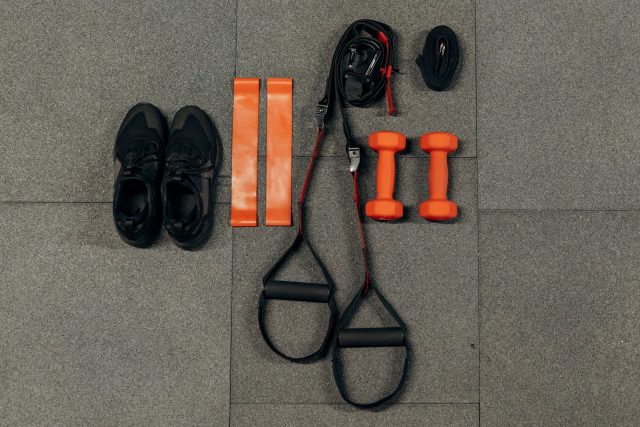
Circuit Training: Read Stations, Rounds and Rest Correctly
Read a circuit workout without confusing stations, rounds, repetitions and rest. Includes a worked timing table and a simple record of actual work.
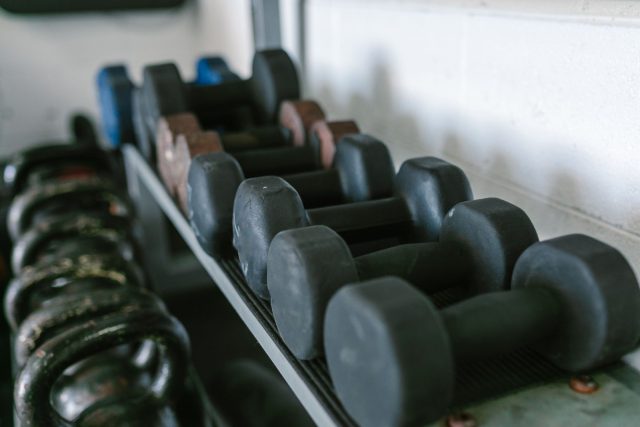
Progressive Overload, Explained
Understand gradual increases in training demand, and why progress does not require changing every number at once.
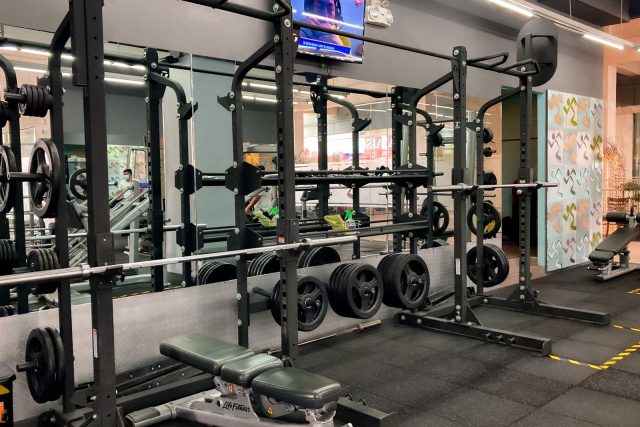
Compound and Isolation Exercises, Explained
Learn the difference between multi-joint and single-joint exercises, with simple examples and common naming traps.
Bodyweight Training: Variations, Setup and Tracking Progress
Understand bodyweight exercise, compare variations fairly and record supports, repetitions, holds and rest.

How to Read Workout Tempo: Numbers, Pauses and Set Timing
Read three- and four-part tempo instructions, understand phase order, and estimate set time with clear examples and checks.
What Is a Superset?
A superset pairs two exercises performed one after the other. Learn how the format works, common pairings, and what to record when you try one.

Sets and reps, explained
What does 3 × 8 actually mean? A plain-English guide to the numbers in a strength workout.
Fitness has enough jargon.
Let's make room for clarity.