Training basics
Understand the terms. Make sense of the advice.
Build your knowledge, one clear answer at a time.
The reading list
Articles: 46
Dynamic vs. Static Stretching: What’s the Difference?
Understand dynamic movement and static holds, clarify a stretching block’s purpose, and record per-side repetitions, seconds and rounds.
Core Training Beyond Crunches: Choose Your Next Learning Step
Understand holds, repeated movements and opposite-limb reaches. Find the right exercise guide, read a mixed workout log and plan a clear next practice step.

Push and Pull Exercises: How to Tell Them Apart
Recognize push and pull exercises, choose a practice guide and work through a busy-machine substitution without confusing movement labels with a complete plan.

Hip Hinge vs. Squat: How to Read the Movement and Practise the Difference
Learn what to watch at the hips, knees and trunk when comparing a hinge with a squat. Includes a movement table, two practice questions and an observation card.
Range of Motion: Full Reps, Partial Reps and Consistent Technique
Understand exercise range of motion, describe repeatable endpoints and distinguish planned partial repetitions from a changing technique in your workout log.
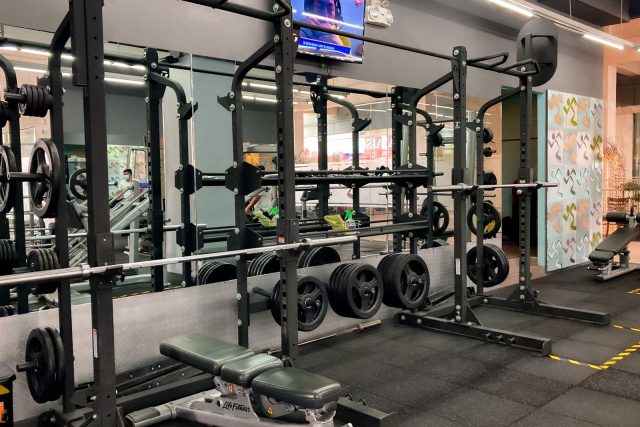
Cardio and Strength Training: Compare What a Session Contains
Compare cardio and strength sessions with the same advertised duration. Use a worked time-budget example and five questions to clarify the actual training.
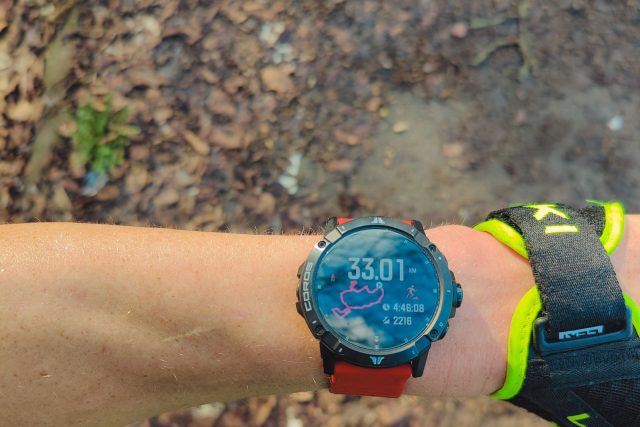
Do You Need 10,000 Steps a Day?
Understand what step-count research can tell you, why a round number is not a pass-or-fail target, and how to use your own data.

Does Walking Count as Cardio? Track the Minutes That Match the Effort
Track walking, stops and effort with worked examples and a printable segment record that keeps uncertain and missing information visible.

How Much Exercise Do Adults Need Each Week?
How to count weekly aerobic activity and strength days, with a seven-day worked example and a printable activity diary.
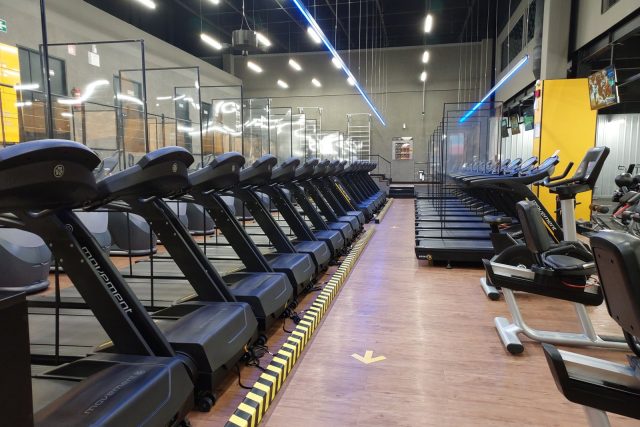
Interval vs. Continuous Training, Explained
Interval and continuous training explained, with timing examples, final-recovery formulas and a printable five-point timer record.
RPE: Rating of Perceived Exertion, Explained
Understand RPE scales, compare set and session ratings, and use worked examples plus a printable five-field effort record.
Repetitions in Reserve: Meaning and a Recording Worksheet
Understand 2 RIR, separate completed reps from estimated reserve, and use a simple worksheet to record effort without false precision.
Fitness has enough jargon.
Let's make room for clarity.