Calf Raises for Beginners: Start on a Stable Surface
To learn a calf raise, begin on a firm, level floor: lift your heels, then lower them with control. Use stable hand support when needed. A step edge, extra weight and a single-leg version are optional changes, not requirements for a useful first practice.
Understand the movement
A calf raise works the muscles at the back of the lower leg. Mayo Clinic’s demonstration emphasizes smooth movement and support for balance when needed. A standing raise and a seated machine raise use different setups; keep their names separate in your notes.
Mayo Clinic calf-raise demonstration.
Rehearse on the floor
- Clear the floor around your feet. Choose a fixed, suitable support you can reach without leaning or stretching; check that it cannot move under your hand.
- Stand comfortably with both feet supported. Begin without extra weight. Rise onto the balls of the feet, keeping the movement smooth rather than bouncing or rocking.
- Lower your heels deliberately to the floor. For this practice, one rise and return is one repetition. Keep breathing and avoid using a knee bend and rebound to rush the movement.
- Finish with both heels down before releasing your support or moving away. If balance or movement control is becoming unreliable, end the attempt rather than forcing the planned count.
Separate hand support from the number of legs
“Supported” and “two-legged” answer different questions. You can use a hand support with either two legs or one leg. Record both. If your arms provide substantial assistance, note it; the repetition count cannot tell how much load each leg carried. There is no need to remove a useful support merely to make a set look more advanced.
| Version | What changes in the record |
|---|---|
| Two legs, level floor, hand support | Name the support and count each simultaneous rise once. |
| One leg, level floor, hand support | Identify the working side and record left and right separately. |
| Seated machine | Name the machine, setting and load; do not merge it with standing entries. |
Do you need a step?
You do not need a step to learn the rise and return. An edge can change the available range and adds getting on, positioning and getting off to the task. Do not improvise with furniture, loose blocks or a surface that can slide. If your plan uses a platform, learn that exact setup and range before adding load. A floor repetition is not an incomplete step repetition; it is the floor version.
Stop an exercise that causes pain. If you are managing a recent foot, ankle or Achilles problem, obtain appropriate guidance rather than treating this general page as rehabilitation. These distinctions do not determine which range or version is suitable for an injury.
Record the version you completed
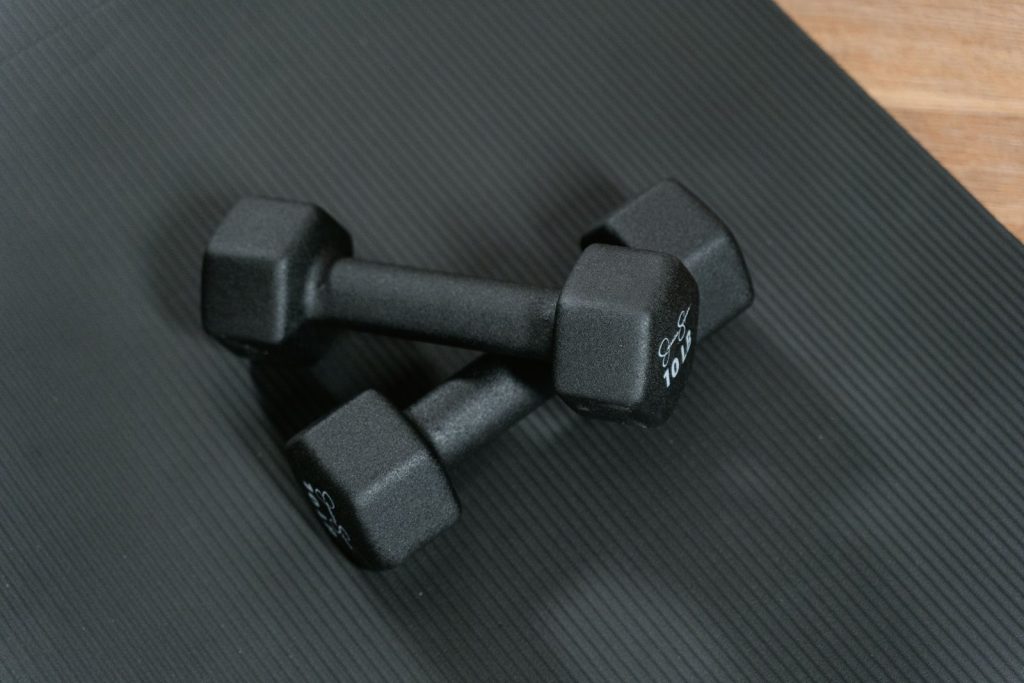
Keep these details together: standing or seated; two legs or one; hand support and assistance; floor or specified platform; added load; completed repetitions in each set; range and rest. “Bodyweight, no added load” does not mean the calves experienced no resistance. A machine’s number is not directly interchangeable with a dumbbell’s mass.
Compare actual repetitions
Illustrative record A: two legs on the floor, same fixed rail, no added load, 10 repetitions then 8. That is 18 simultaneous rises, not 36 repetitions. Do not double the count just because two legs worked. Note why the second set ended if that matters for the next session.
Illustrative record B: one leg at a time with support, left 6 and right 5. That is 11 side-specific repetitions in total, not 11 per side. Keep “left 6 / right 5” visible. It is a different task from record A, and the one-repetition difference does not diagnose an imbalance. These counts are examples, not targets or a plan.
Choose one next change
First make the surface, support and movement repeatable. If your plan calls for progression, change one feature and record it: repetitions, added load, range or variation. Moving to one leg while adding weight and using a step changes several things together. A changed count then tells you little about the previous task.
Allow recovery within your wider routine rather than adding demanding calf work every time you pass a staircase. Repeating a manageable setup can be useful. If your goal is learning the movement, ask an instructor to check the rise, return and support before chasing heavier or longer sets.
Related resources
About this article: an introductory editorial draft. Not yet independently reviewed by a fitness professional.