Fitness, explained.
Understand the terms. Make sense of the advice.
Build your knowledge, one clear answer at a time.
The reading list
Articles: 667
What Is a Negative Split in Running? A Simple Pace Example
Read negative, even and positive splits, turn cumulative checkpoints into section times, and check equal-distance halves with a worked running example.
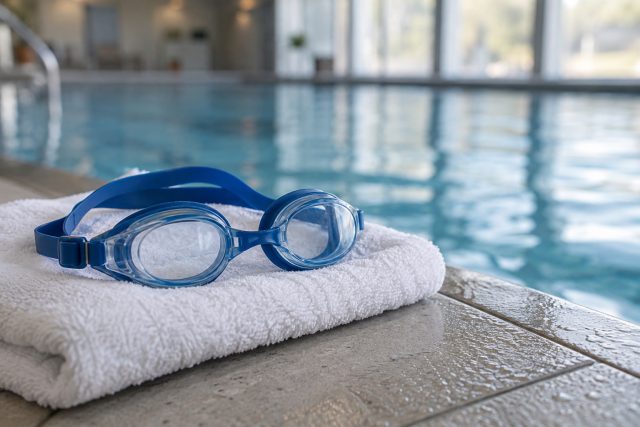
How to Choose Swim Goggles That Fit Comfortably
Choose swim goggles by face fit, seal, lens needs, and ease of adjustment, instead of trying to stop every leak by tightening the strap.
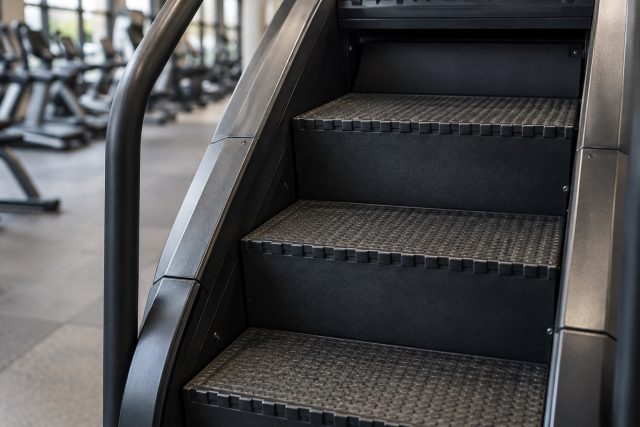
Stair Climber for Beginners: Find a Pace You Can Control
Learn stair-climber controls, choose a manageable pace and print a four-field note for your first attempt.
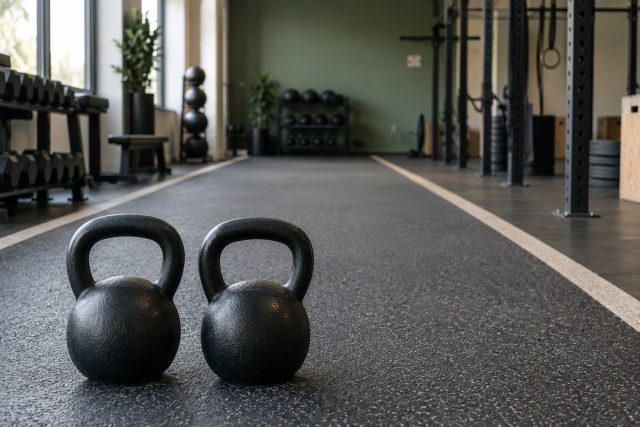
How to Do a Farmer’s Carry: Setup, Load, and Distance
Plan and record a farmer’s carry: route checks, per-hand load, worked distance examples and a printable practice sheet.
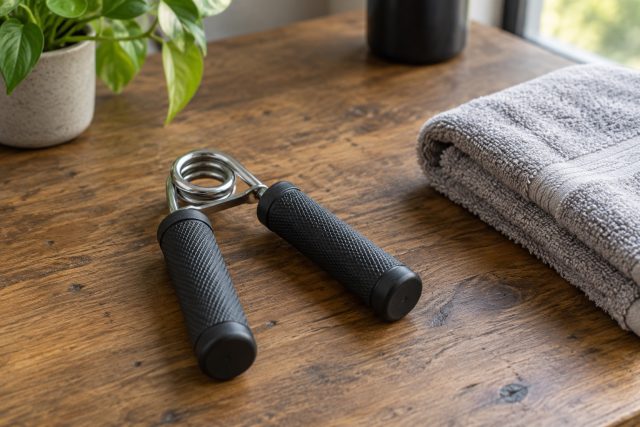
Grip Strength Training: Choose Exercises You Can Repeat
Choose a repeatable grip exercise, use a practice checklist and record each hand, device and movement range with a worked comparison.
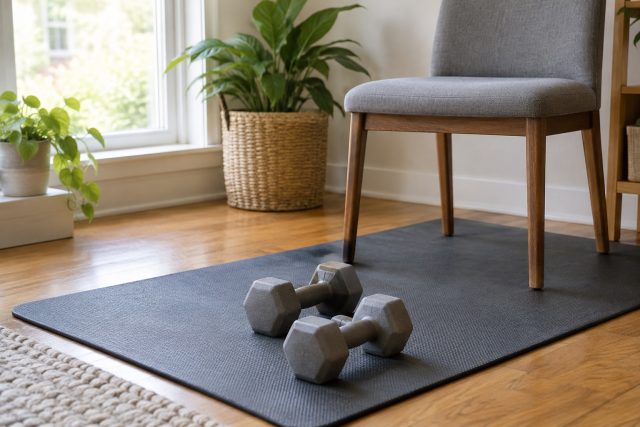
Starting Strength Training After 60: Build a Manageable Routine
Start strength training after 60 with a five-field instruction brief, printable sheet and worked example for changes in equipment.
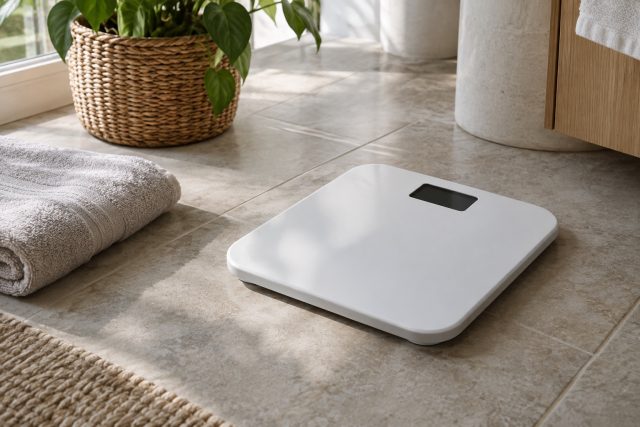
Why Does Body Weight Change from Day to Day?
Understand daily scale changes, make weigh-ins more comparable, and separate a short-term reading from a longer-term body-weight trend.
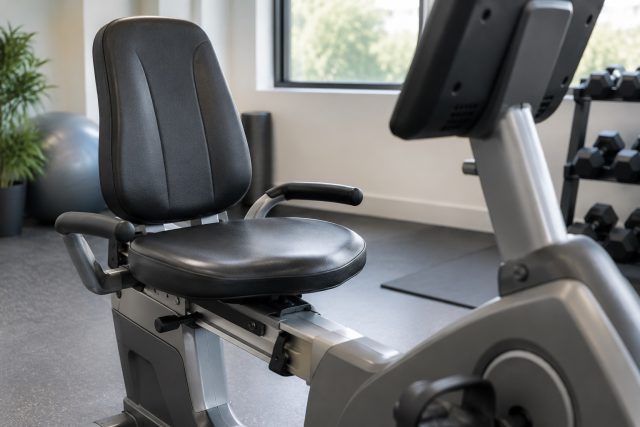
Recumbent vs. Upright Exercise Bike: Which Fits Your Routine?
Compare recumbent and upright exercise bikes using a trial checklist, room measurements and two worked choices based on access, comfort and controls.

Hiking vs. Walking: What Changes When You Leave the Pavement?
Compare hiking and walking by terrain, elevation, effort, and preparation, with a practical checklist for choosing a manageable first trail.
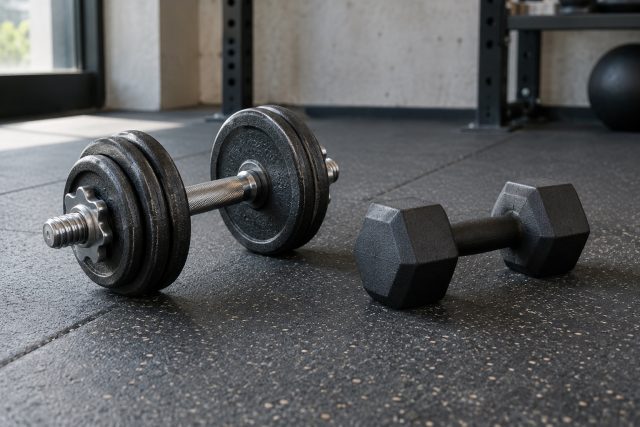
Adjustable vs. Fixed Dumbbells: Choose for the Workouts You Do
Compare adjustable and fixed dumbbells by weight increments, storage, changeover time, and handling, without assuming one design suits every home gym.
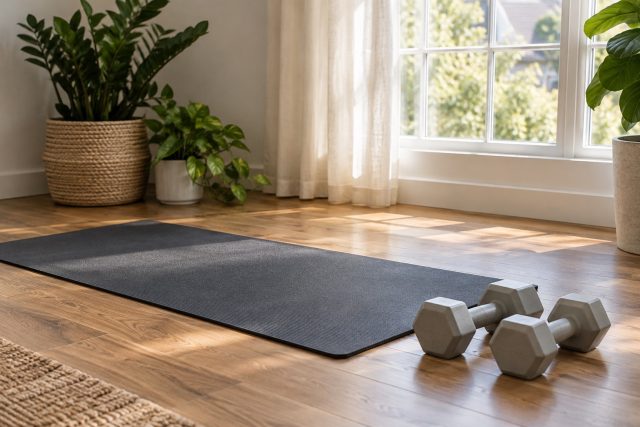
Strength Training at Home Without a Bench: What Can You Do?
Choose home strength exercises without a bench, check what a substitution changes and follow a practical route from space setup to recording.
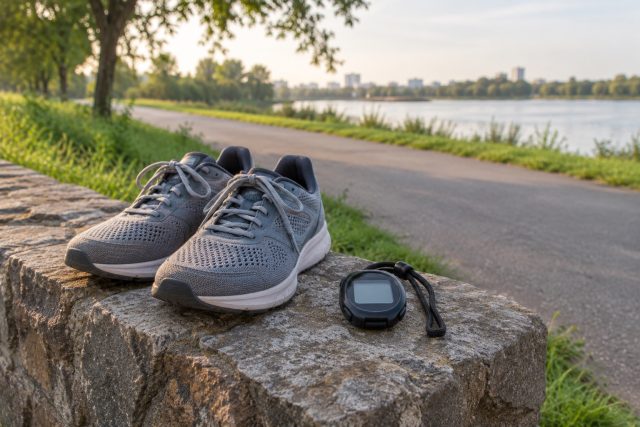
Walking Cadence and Speed: Measure Steps per Minute Clearly
Count walking steps, distinguish step length from stride length and compare moving-time averages with elapsed-time averages. Includes worked examples and a field record.
Fitness has enough jargon.
Let's make room for clarity.