Caffeine Before a Workout: Benefits, Timing, and Trade-Offs
Caffeine can improve some types of exercise performance, but it is optional and individual responses vary. Before using it for a workout, check the amount in all your drinks and supplements, consider your bedtime, and avoid treating a general daily limit as a recommended workout dose.
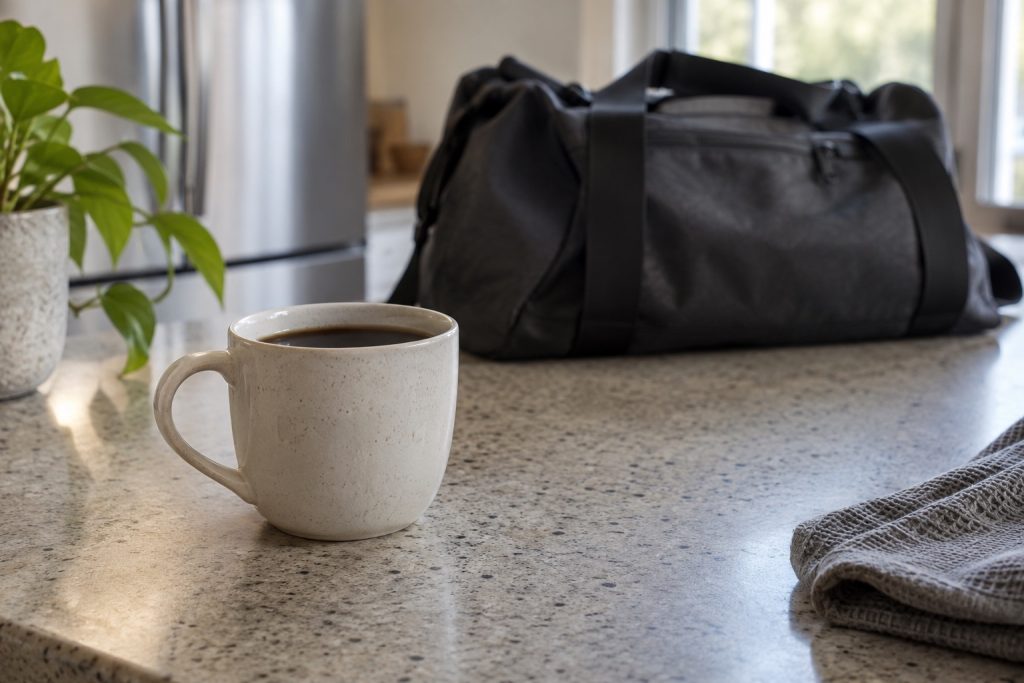
What can caffeine help with?
The NIH exercise-performance fact sheet describes benefits for several exercise tasks, particularly endurance activity, while noting variation across studies and people. Feeling more alert is not the same as proving that a particular session produced more long-term progress.
Keep your actual goal in view. If the main obstacle is an unrealistic schedule or insufficient sleep, adding another stimulant does not resolve the planning problem. Compare repeatable workouts rather than judging the product from one unusually energetic day.
How much caffeine are you already consuming?
The FDA cites 400 milligrams per day as an amount not generally associated with negative effects for most adults. This is not a target, a guarantee of individual tolerance, or advice for children, pregnancy, or every medical condition. Caffeine content varies between drinks and serving sizes.
Here is a fictional accounting example, not a recommended intake. Replace the numbers with information for your own products.
| Item | Example caffeine amount |
|---|---|
| Morning drink | 100 mg |
| Afternoon drink | 80 mg |
| One supplement serving | 150 mg |
| Combined total | 330 mg |
The example illustrates why the supplement label is only part of the calculation. Two servings would change the total even if the container looks like one convenient portion. Count other caffeine sources too.
When should you take it?
NIH discusses use before activity, with timing depending on the form and protocol studied. That does not establish a precise countdown for everyone. An early workout and an evening class create different practical decisions because caffeine can interfere with sleep.
If you already use caffeine, record the product, time, and later sleep experience before deciding that an extra serving is worthwhile. Our guides to workout timing and sleep and performance cover the wider routine.
What should make you reconsider it?
Jitters, palpitations, digestive discomfort, anxiety, or disrupted sleep are reasons to reassess consumption. FDA advises discussing limits with a healthcare professional when a condition, medication, pregnancy, or breastfeeding is relevant. Avoid pure or highly concentrated caffeine products: small measuring errors can be dangerous.
Does coffee replace a pre-workout meal?
No. Caffeine intake and meal planning answer different questions. Use pre-workout food guidance to plan familiar meals, and keep a workout log to judge whether your overall routine is working. You can train successfully without a caffeinated pre-workout product.
Related reading
Does Decaf Coffee Still Contain Caffeine?
Related reading
About this article: an introductory editorial draft. Not yet independently reviewed by a fitness professional.