What Is Low-Impact Exercise? Examples and Common Misunderstandings
Low-impact exercise limits repeated jolting or landing forces compared with activities such as jumping. Walking, cycling, and swimming are common examples, although their mechanics differ. “Low impact” does not mean “low effort,” pain-free, or automatically suitable for every injury.
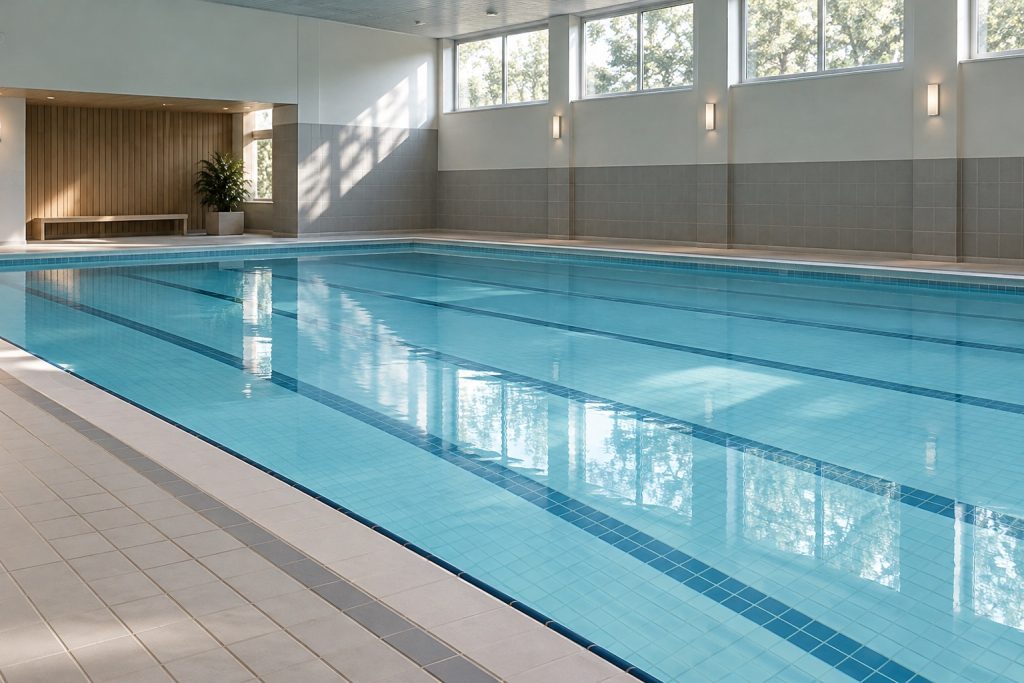
How is impact different from intensity?
Impact describes a mechanical feature of the activity. Intensity describes how demanding it is. You can pedal a stationary bike easily or work hard on the same bike without introducing repeated running landings. Conversely, removing jumps from a routine does not tell you how challenging the remaining exercises will feel.
The U.S. Physical Activity Guidelines distinguish recreational swimming from vigorous lap swimming and list cycling at different intensities. Those examples illustrate why the activity name alone is incomplete.
Which activities are commonly called low impact?
| Activity | What to consider |
|---|---|
| Walking | Route, surface, hills, and comfortable duration |
| Stationary cycling | Bike fit, resistance, and pedaling comfort |
| Swimming | Swimming ability, supervision, and stroke choice |
| Water exercise | Class demands, water depth, and access |
| Controlled strength exercises | The specific movement and load, rather than the absence of jumping alone |
HSS describes walking as a low-impact activity. That description does not mean every walking route suits every person. A steep, uneven hike is a different outing from a short level walk.
How do you choose an option?
Start with the reason you want low-impact exercise. You might prefer a quiet home routine, dislike jumping, or have been given a restriction by a clinician. These situations need different decisions. A preference can guide activity choice; a medical restriction needs clarification about what is actually permitted.
Compare access as well as the movement. A pool may offer an appealing option but require travel and changing time. A stationary bike might be available at your gym but need fit adjustments. Choose something that can realistically recur in your week.
Is low-impact exercise safe when you have pain?
The label is not injury clearance. A movement can avoid landings and still load an uncomfortable joint or position. If you are recovering from injury, follow the individualized plan from your clinician or physical therapist rather than replacing it with a generic list.
Describe symptoms and the activity precisely when asking for help: what movement, what load or duration, and when discomfort begins. “Low impact hurts” provides less useful information than a specific description. Do not push through sharp or worsening pain to complete a prescribed number of minutes.
How can you track progress?
Use the measure that matches the activity: comfortable walking time, a repeatable bike setting, swimming practice completed, or controlled repetitions. Keep the conditions reasonably comparable. You do not need to add jumping to prove that the routine has progressed.
Our guides to beginner stationary-bike sessions and swimming for fitness explain practical starting questions. For a routine with several activities, see cardio and strength training.
Can low-impact exercise still count toward weekly goals?
Yes, depending on the activity and effort. Use weekly exercise guidance to understand the categories. Impact is not the qualifying test for aerobic activity, and an absence of jumping does not make a session unimportant.
Compare indoor cardio options
See our guide to elliptical versus treadmill workouts for practical examples and the limits of the general guidance.
Compare bike positions
See our guide to recumbent versus upright exercise bikes for practical examples and the limits of the general guidance.
Prepare for a new court activity
See our guide to a first pickleball session for practical examples and the limits of the general guidance.
About this article: an introductory editorial draft. Not yet independently reviewed by a fitness professional.