Sit-to-Stand Exercise: Chair Setup, Hand Support and a Controlled Return
A sit-to-stand repetition moves from sitting to standing and back to the chair. Begin with a stable setup and a version you can control, including hand support if that is part of your instruction. The return to sitting matters as much as getting up.
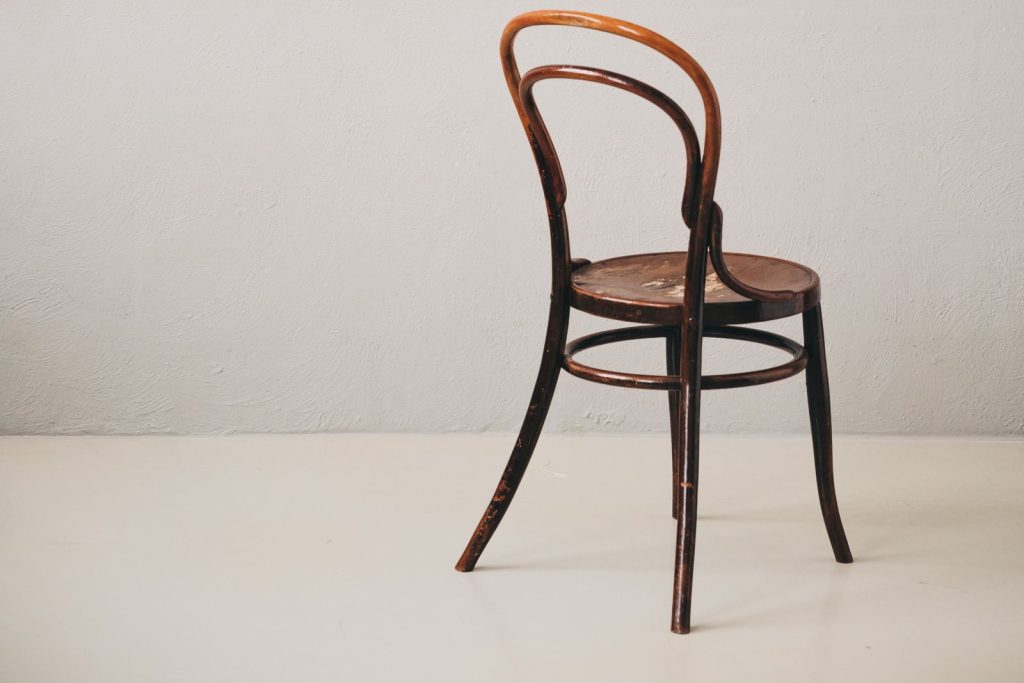
Choose the chair before counting repetitions
Use a firm, stable chair without wheels that will not slide. Check that your feet can rest flat on the floor. Clear the surrounding space. The NHS home-exercise reference describes this setup. NHS: strength exercises.
Decide how your hands will help
NHS inform describes chair-arm assistance as well as less supported versions. Hand support is therefore a feature to agree and record, not automatically a failed repetition. NHS inform: strength and balance exercises.
An armless demonstration and a supported chair-arm version are different setups. If you need support, do not remove it just to match an illustration. Ask a qualified instructor or the professional involved in your care to identify a suitable chair and support method. Do not pull on a loose table or another movable object to improvise help.
Practise the whole movement
- Sit toward the front of the seat, with feet supported and comfortably apart. Keep the chair close enough to return to; establish the agreed hand support before moving.
- Lean your upper body forward, then press through your feet to rise. Use the agreed assistance and finish in a steady standing position.
- Lower back onto the chair slowly. Settle before the next attempt rather than bouncing off the seat.
This describes the movement, not a required set count or a rehabilitation plan. Ask for a demonstration if you cannot identify the supported version you were assigned. If you cannot rise or return with control, stop that attempt and ask for an adaptation. Pain, dizziness or new unsteadiness are reasons to stop and seek appropriate advice.
What to check when the task changes
| Observation | Useful response |
|---|---|
| The chair shifts or rocks | Do not begin. Choose a stable setup; extra repetitions will not fix moving furniture. |
| You can rise but drop into the seat | The return is not yet controlled. Ask about a suitable seat height or support instead of making the next attempt faster. |
| You change the chair or use your hands differently | Record a new setup. Do not compare the counts as if only your strength changed. |
Example: two records that should stay separate
Fictional record: Lee completes four chair rises using the chair arms on Monday. On Thursday, Lee completes six on a different, higher seat with the same assistance. Thursday has two more completed repetitions, but the seat also changed. The record cannot establish that leg strength increased. Both entries remain useful when the setup is named; neither number is a recommended target.
For each practice entry, note the chair or seat description, hand support, completed repetitions, pauses and any question about the return. Write what actually happened; leave an unknown seat height as “not measured” rather than inventing a value. Use the existing first-session sheet to keep the agreed instructions beside the actual result.
Is this the 30-second chair-stand test?
No. CDC lists a 30-second chair stand as a clinical assessment with its own protocol. This practice guide does not administer or score that test. CDC: clinical assessment resources.
Do not turn a supported practice count into an age-based pass/fail result. If a clinician has assigned an assessment, follow their specific instructions. For ordinary training, ask what to repeat and what condition would justify changing the setup; there is no automatic rule to remove support after a fixed number of visits.
Keep the instructions and next question together
Printable chair-rise practice record
Open the chair-rise record to print or save
Open the sheet, then use your browser’s Print command to print it or save it as a PDF. Choose the language before printing. The sheet has no online form and sends no entries to the site.
Use one copy for one practice session. Record the chair and agreed hand support before starting, then write the repetitions and pauses that actually happened. Keep the first-session instruction sheet for your overall plan; this page records one exercise in more detail.
If the chair or assistance changes, describe a new setup. Leave unmeasured height as “not measured”. A blank count means unknown, not zero. Do not infer a strength gain from two counts made with different setups.
This is an optional practice record, not a timed chair-stand test, score or instruction to remove support. Follow the full guide and your agreed instructions. Stop if you have pain, dizziness or new unsteadiness and seek appropriate advice.
- Date and chair or seat description; height only if measured.
- Agreed hand support and any other assistance.
- Instructions for this session, if assigned; keep planned repetitions separate from results.
- Completed repetitions and pauses; note any change of chair or support.
- Return to sitting: what happened, and what should you ask before the next session?
About this article: an introductory editorial draft. Not yet independently reviewed by a fitness professional.