Pressurized vs Pressureless Tennis Balls: Match the Practice
Pressurized tennis balls use internal pressure as part of their bounce; pressureless balls rely more on their rubber construction. They can feel different in play. Choose for the type of practice or match you are preparing for, rather than assuming longer-lasting always means better.
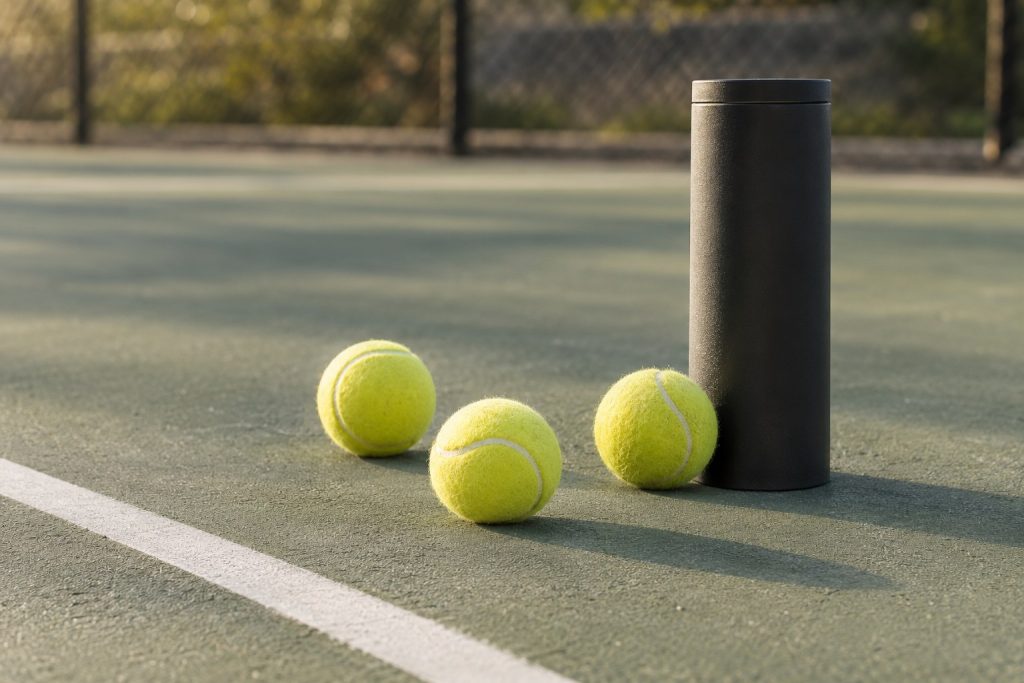
Know what changes over time
HEAD explains that pressurized balls lose pressure with time and use, changing their bounce. Pressureless balls are often used for repeated practice because they do not depend on the same pressure retention. Their felt and rubber still wear, so they are not permanent equipment.
Ask what the session uses
If you are joining a class or preparing for a match, ask which balls are expected. Practicing with a different-feeling ball can change the experience. For ball machines, follow the machine maker’s compatibility guidance rather than assuming every training ball is suitable.
Keep other labels separate
Regular duty, extra duty and reduced-compression training balls describe additional choices. They are not simply alternative names for pressurized and pressureless. Check the court surface and the learner’s needs with the coach before buying a large supply.
Inspect the whole set
Look for damaged felt, cracks or uneven bounce, and remove unsuitable balls from practice. A mixed basket of very different balls can make drills inconsistent. Replace based on condition and the session’s requirements instead of expecting a universal replacement calendar.
Sources
Related reading
Indoor vs Outdoor Pickleballs: Ask About the Court
What to Pack in a Gym Bag: A Beginner’s Checklist
Related reading
What Does 40+ Mean on a Table Tennis Ball?
Related reading
Regular Duty vs Extra Duty Tennis Balls: Start with the Court
About this article: an introductory editorial draft. Not yet independently reviewed by a fitness professional.