Heel-to-Toe Drop in Running Shoes: What the Number Means
Heel-to-toe drop is the difference between the shoe’s height under the heel and under the forefoot. It is usually stated in millimeters. It is not the same as total sole thickness, cushioning softness, or shoe size, and a lower number is not automatically a better choice.
How is drop calculated?
Subtract the forefoot measurement from the heel measurement when both use the same manufacturer’s measurement method. For an illustrative example, a 30 mm heel and 22 mm forefoot give an 8 mm drop. These are example measurements, not a product recommendation. Brooks defines drop as this heel-to-forefoot difference.
Is zero drop the same as a thin sole?
No. Equal heel and forefoot heights can occur in shoes with very different overall sole thicknesses. Stack height describes height under a particular part of the foot; drop describes a difference. Compare both specifications and try the shoes, rather than deciding how cushioned they feel from the drop alone.
What should you compare when shopping?
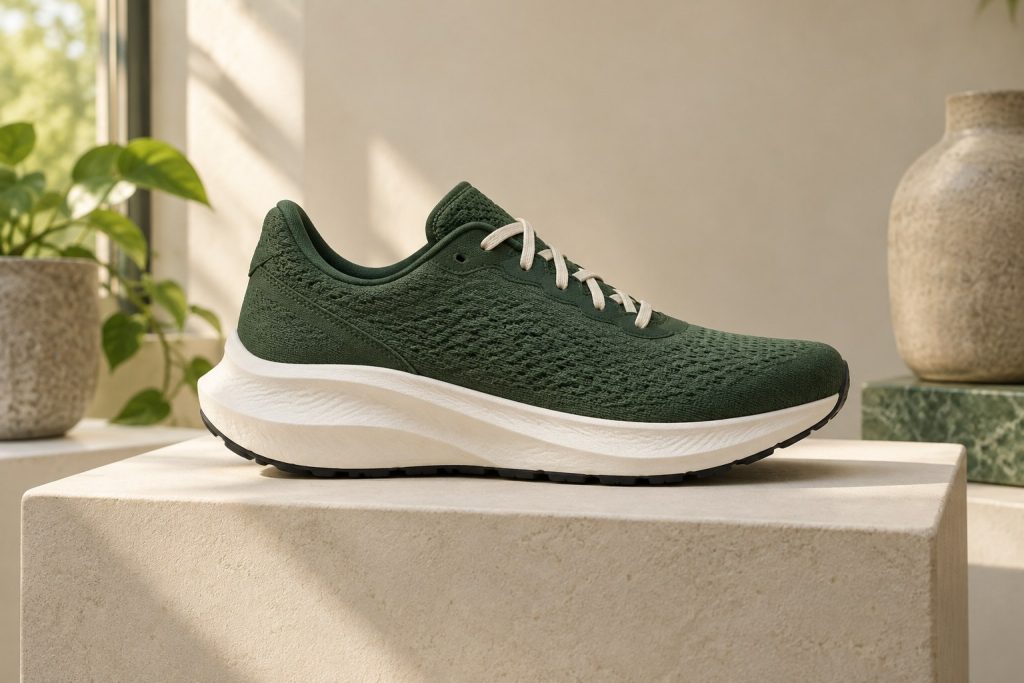
Check the exact model and version, fit, toe space, heel hold, and the intended activity. A new version with the same name may have changed specifications. The visible outside edge of a midsole is not a reliable measuring guide. Use published measurements and your experience wearing the shoe instead of estimating from a photo.
Should you change drop to improve your running?
Do not treat a drop number as a diagnosis or a promise of injury prevention. If you try a different shoe, start with familiar, modest sessions rather than changing shoes and training demands together. Seek individual advice for persistent discomfort. Keeping notes on comfort and use is more useful than chasing the lowest specification.
Sources
Brooks Running — heel-to-toe drop.
Related reading
Running Shoes vs. Training Shoes: Which Pair Fits Your Workout?
How to Start Running With Walk–Run Intervals
Related reading
Wide vs Regular Walking Shoes: How to Check the Fit
Related reading
About this article: an introductory editorial draft. Not yet independently reviewed by a fitness professional.