Barbell Diameter: Are You Measuring the Shaft or Sleeve?
A barbell’s shaft diameter describes the gripping section. Sleeve diameter describes the ends where plates are loaded. These measurements answer different questions: hand feel and plate compatibility. A single number labeled diameter needs context.
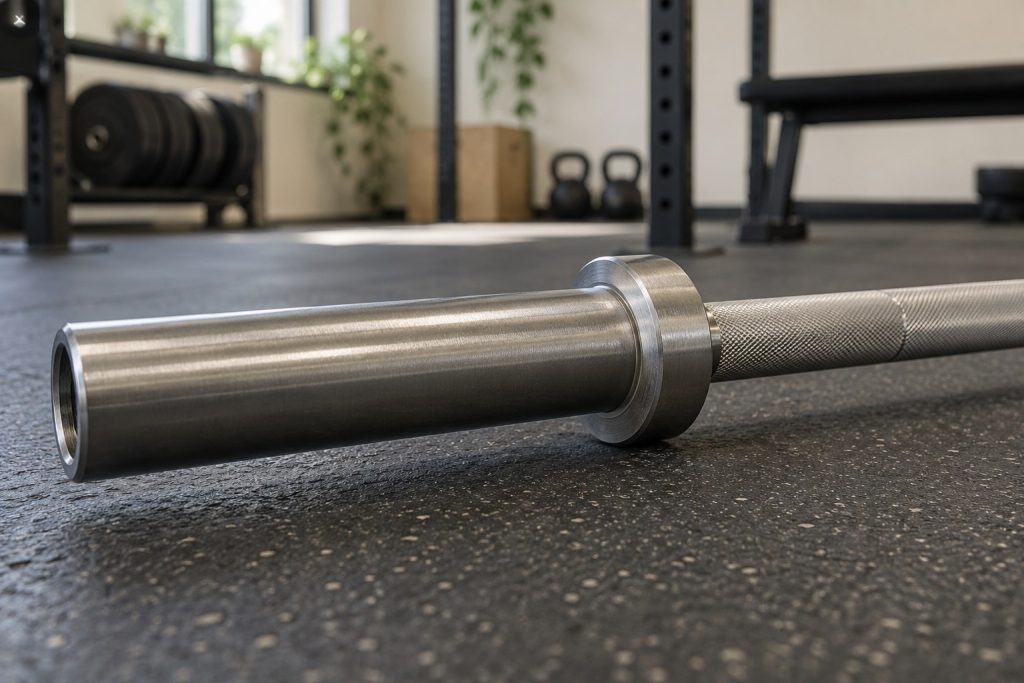
Find the dimension’s location
Rogue lists its Ohio Bar replacement shaft at 28.5 mm. Its Olympic-spec sleeve guidance describes 50 mm sleeves. Those numbers can belong to different parts of the same style of bar; they are not contradictory descriptions.
Check plates against the sleeve
Use the sleeve specification and the plate maker’s compatibility information when checking fit. Do not match a plate opening to the thinner gripping section. A bar’s total weight is another specification and does not identify either diameter by itself.
Compare grip details separately
If deciding how a bar will feel in your hands, look at shaft diameter alongside knurling and coating. Try the intended model when practical. Two bars that accept the same plates need not have identical gripping surfaces.
Keep length and capacity in view
Diameter alone does not tell you usable sleeve length, rack compatibility or load limits. Read the complete product specifications before assembling a setup. Confirm suitable collars as well; matching one measurement does not verify the whole equipment combination.
Sources
Related reading
Standard vs Olympic Weight Plates: Will They Fit Your Bar?
Barbell Collars: Fit, Fastening, and Weight to Check
Related reading
What Is the Center Knurl on a Barbell For?
Related reading
About this article: an introductory editorial draft. Not yet independently reviewed by a fitness professional.