Badminton Racket Weight vs Balance: Why Light Can Feel Different
Badminton racket weight tells you how much the racket weighs; balance describes where that weight sits along its length. A lighter racket can still have a head-heavy balance. Read both specifications instead of treating light as a complete description.
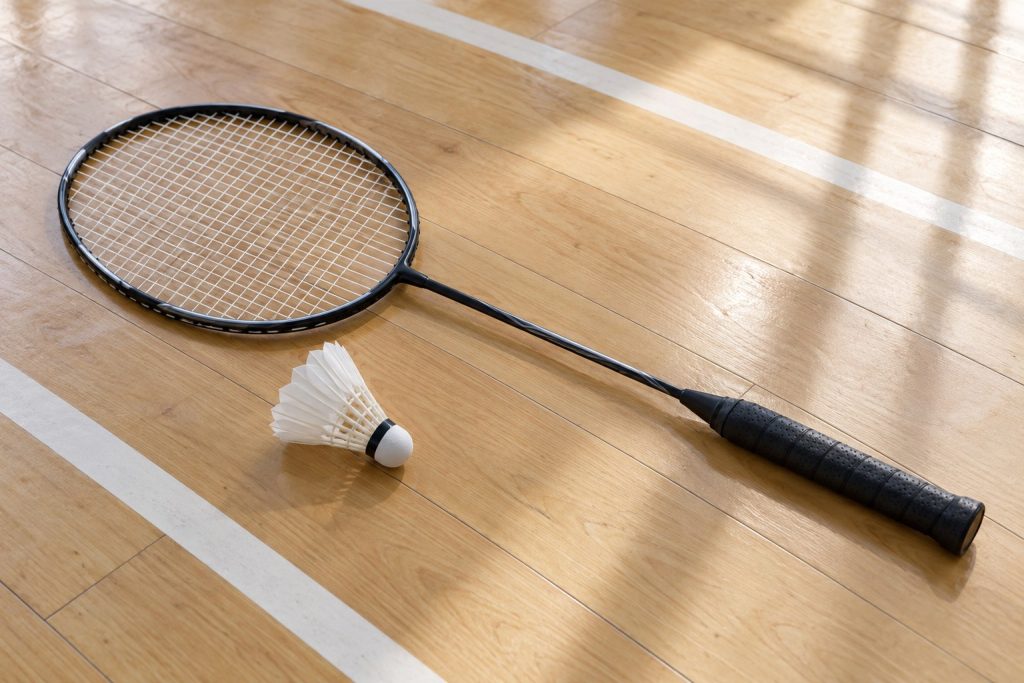
Separate the two labels
Decathlon’s selection guide distinguishes head-heavy, head-light and even-balance designs. Head-heavy places relatively more weight toward the head; head-light shifts the distribution toward the handle. These labels do not replace the total-weight specification.
Consider the movement
Head-light models are commonly designed for maneuverability, while head-heavy models emphasize momentum in attacking strokes. Those are design tendencies, not a promise of faster reactions or stronger smashes for every player. Technique and the actual model still matter.
Keep the comparison consistent
Check whether published weight includes strings and compare the grip setup too. Also read the shaft-flexibility description: balance and stiffness are separate choices. Changing several features at once makes it harder to identify why a racket feels different.
Test before upgrading
Try a loan or demo racket in a normal session and ask a coach to watch a few basic shots. Choose something you can move comfortably throughout practice. An advanced-player label or a higher price does not establish that the racket suits your current swing.
Sources
Related reading
About this article: an introductory editorial draft. Not yet independently reviewed by a fitness professional.