What Does a Rock Plate Do in a Trail Running Shoe?
A rock plate is an underfoot protective layer intended to reduce the impact of sharp stones and trail debris. It addresses a different problem from outsole grip, and its presence alone does not establish how a shoe will feel.
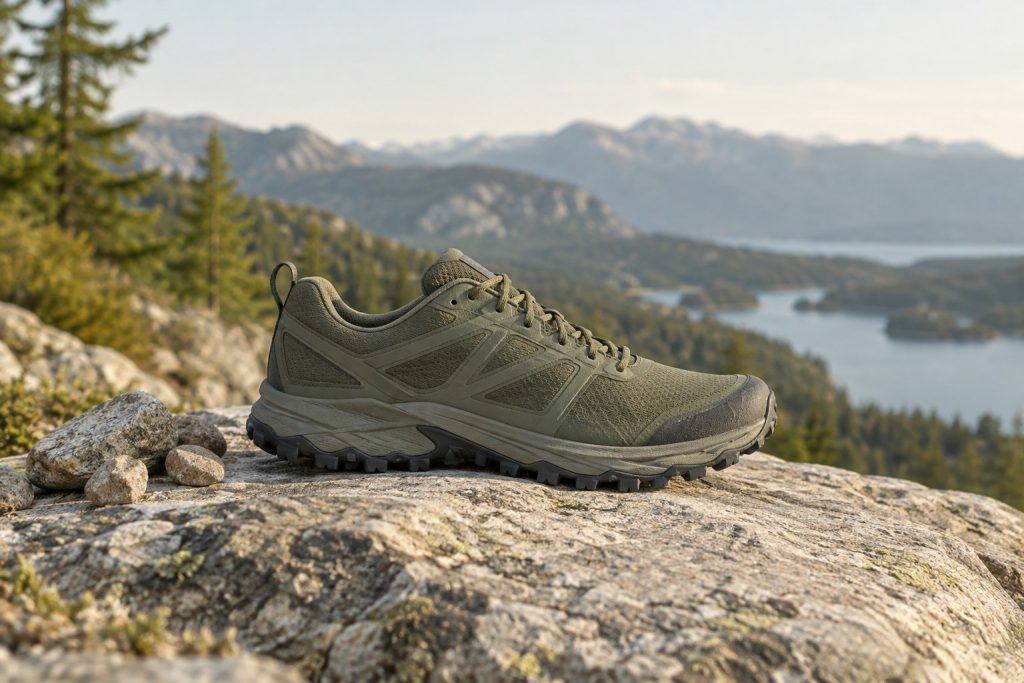
Protection is not traction
Altra describes StoneGuard as protection beneath the foot on rocky terrain. Outsole lugs are the raised features that contact the ground. A shoe can have substantial lugs without the same protective construction underfoot.
Check the specific construction
Some protection is built into a shoe; some inserts are removable. Altra sells a removable StoneGuard, for example. Read the exact model description rather than assuming every shoe from a trail-running brand includes the same system.
Try the complete shoe
Assess fit and comfort with the intended socks and any approved insert in place. An added layer can affect available space. A specification sheet cannot tell you whether that combination feels comfortable on your foot.
Avoid improvised modifications
Follow the manufacturer’s compatibility and placement instructions. Do not cut open the sole to inspect a plate or add arbitrary rigid material. Protection against stones is not a guarantee against injury, and it does not replace attention to the trail.
Sources
Altra — Removable StoneGuard; Altra — Trail shoe features.
Related reading
Running Shoe Lugs: Why Mud and Pavement Need Different Tread
About this article: an introductory editorial draft. Not yet independently reviewed by a fitness professional.