Treadmill CHP vs Peak Horsepower: Read the Fine Print
A treadmill’s peak horsepower and continuous horsepower, often abbreviated CHP, are different ratings. Neither number alone tells you how the complete treadmill will perform during your workout at home.
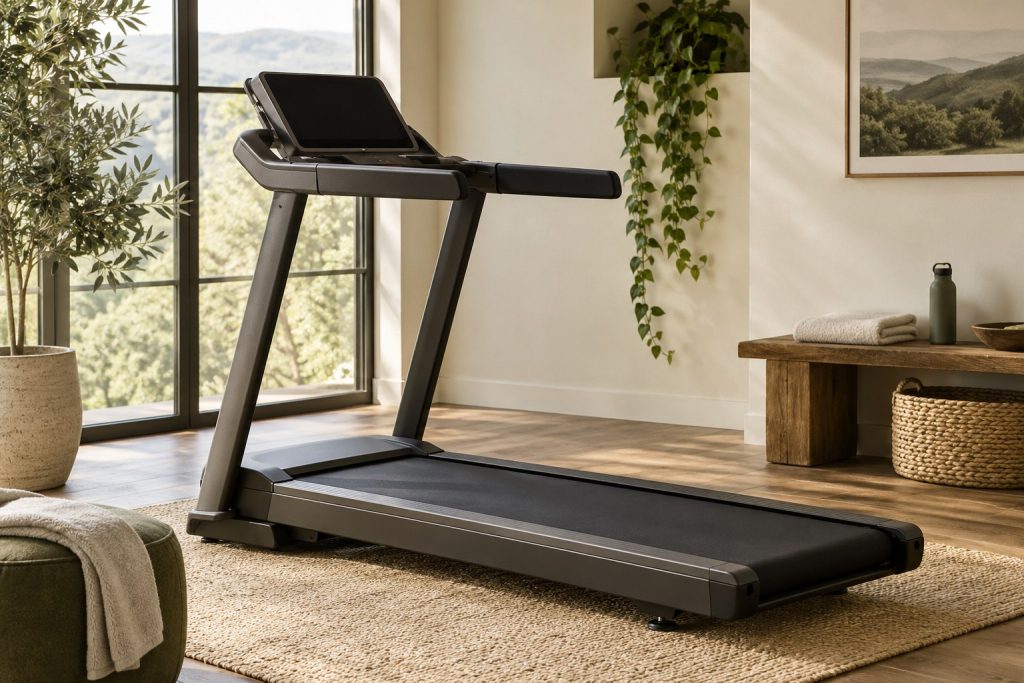
Ask which rating is being advertised
Peak describes a maximum output rather than a promise of sustained operation. Continuous ratings describe output under specified testing conditions. If a listing only says HP, ask the manufacturer what was measured instead of assuming it means CHP.
CHP still needs context
NordicTrack states that its CHP ratings come from laboratory dynamometer testing and do not represent operational horsepower in ordinary household use. Read the exact brand’s explanation. A larger advertised number is not a direct measurement of the power you will use.
Compare the complete machine
Check intended walking or running use, belt dimensions, supported user weight, speed range, and warranty terms. Read the manual’s electrical and installation requirements too. These details answer practical questions that a motor label cannot settle on its own.
Avoid a made-up conversion
Do not convert peak HP to CHP with a universal multiplier or infer household electricity consumption from the motor rating. Ask for clarification if specifications are unclear. If possible, try the machine at your intended pace and assess controls, space, and belt behavior.
Sources
NordicTrack — CHP specification note; Horizon — Treadmill motor specifications.
Related reading
About this article: an introductory editorial draft. Not yet independently reviewed by a fitness professional.