Indoor vs Beach Volleyballs: Is the Beach Ball Lighter?
A regulation beach volleyball is not lighter by the FIVB weight specification. Indoor and beach balls both have a 260–280 g weight range, while their circumference and inflation requirements differ.
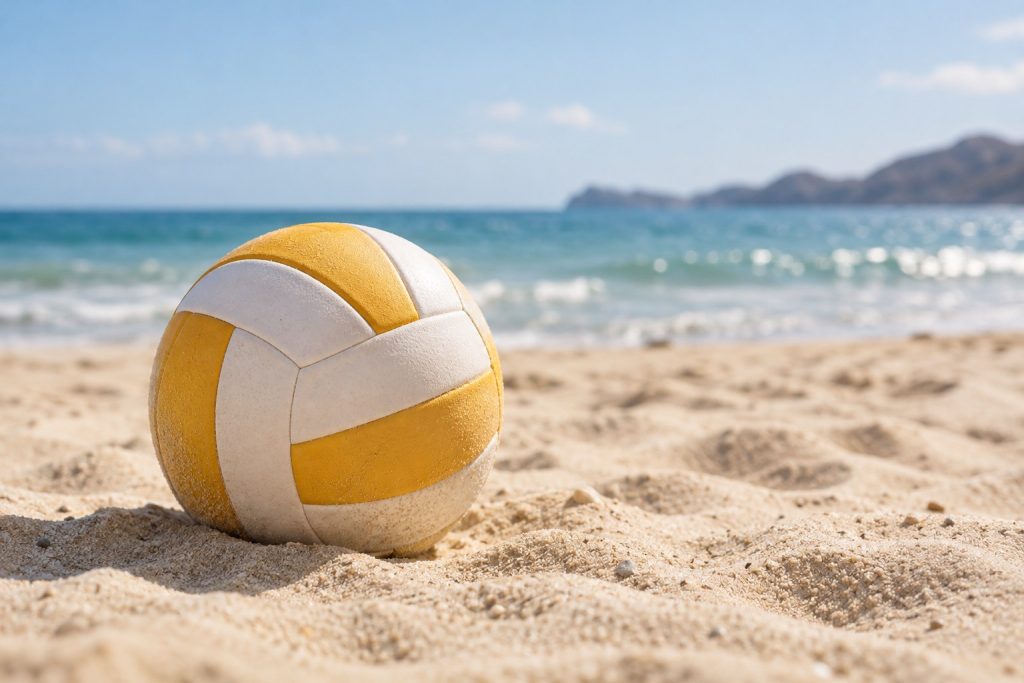
Compare circumference rather than assuming weight
The FIVB indoor circumference range is 65–67 cm; the beach range is 66–68 cm. These ranges overlap. A ball that looks slightly larger is not necessarily heavier, and an unscaled product photograph cannot confirm its dimensions.
Pressure is another difference
The official beach specification uses lower internal pressure than the indoor specification. That does not mean any indoor ball becomes a beach ball when air is released. Use the pressure guidance on the actual ball and its manufacturer’s instructions.
Check the intended game
Look for indoor or beach use in the product description and ask the organizer what ball is required. Official FIVB standards describe regulation equipment. Soft training balls, junior products and casual beach toys can have different specifications.
Choose for the session you will attend
If you join an established group, ask for its usual ball model before buying. If you already own a ball, compare its label with the session’s requirements. Matching the game and product guidance is more useful than choosing solely by color or assuming that softer means lighter.
Sources
FIVB — Indoor rules 2025–2028; FIVB — Beach rules 2025–2028.
Related reading
When Do You Rotate in Indoor Volleyball?
Basketball Sizes: The Number Describes More Than a Bigger Ball
About this article: an introductory editorial draft. Not yet independently reviewed by a fitness professional.