Rowing Damper vs Drag Factor: Two Different Settings to Understand
On a Concept2 rower, the damper lever controls airflow into the flywheel housing. Drag factor describes the flywheel’s measured slowdown between strokes. Neither number alone tells you the intensity of your workout; how you pull still matters.
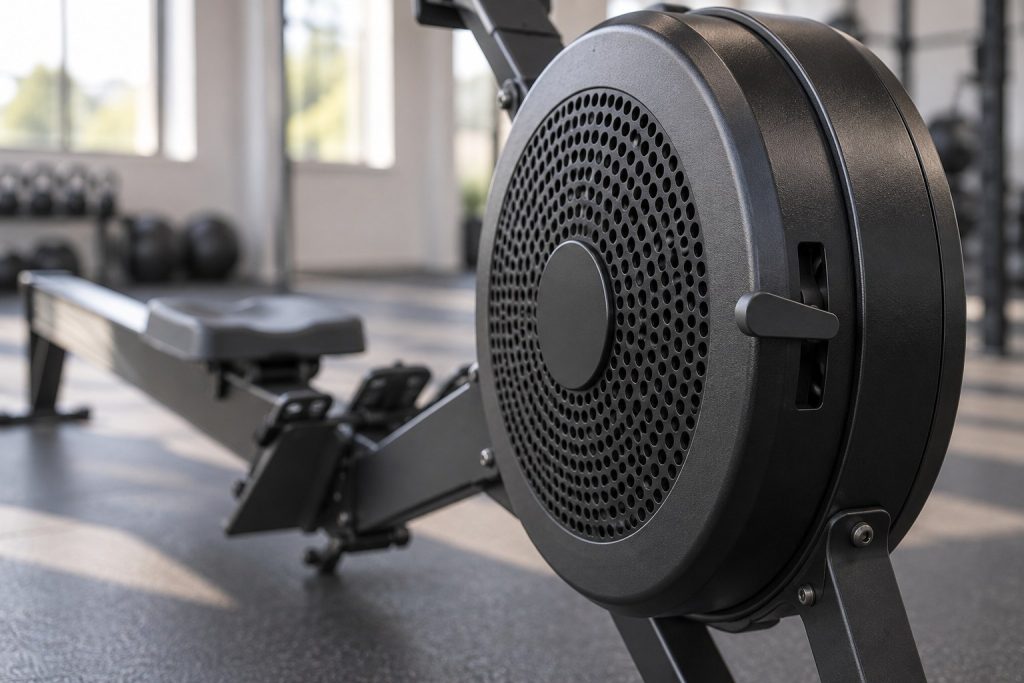
Think about the feel
Concept2 compares the damper to bicycle gearing. More airflow changes how the stroke feels and how quickly the flywheel slows during recovery. Moving the lever higher does not automatically produce a better workout or a faster score.
Use drag factor for setup
The Performance Monitor measures flywheel deceleration and accounts for it when calculating work. Air conditions and lint in the housing can change drag. The same lever position on another rower can therefore feel different, even within the same equipment family.
Start with the manufacturer’s guidance
Concept2 suggests beginning with the damper between 3 and 5 and focusing on technique. This is a starting point for its equipment, not a universal prescription for every rowing machine or every person. Ask for instruction if the stroke feels awkward.
Log more than the lever
Record drag factor alongside pace, stroke rate and session duration when comparing workouts. Follow the monitor instructions to display it and the maintenance guidance for cleaning. Do not treat the maximum damper position as a target you must eventually reach.
Sources
Related reading
Air vs. Magnetic Rowing Machines: What Changes?
Rowing Stroke Rate vs. Pace: Read Both Numbers
Related reading
About this article: an introductory editorial draft. Not yet independently reviewed by a fitness professional.