Air vs. Magnetic Rowing Machines: What Changes?
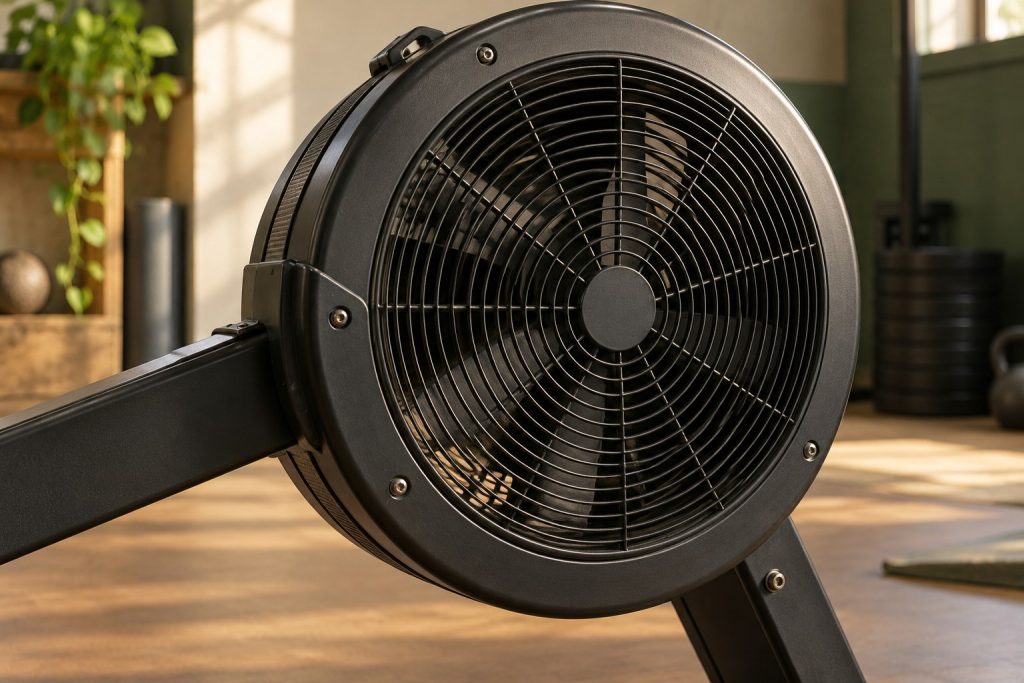
Air rowers generate resistance with a fan, while magnetic rowers use magnets in their resistance system. This affects the feel and sound of rowing, but the label alone does not determine build quality or workout quality. Compare specific machines at the kind of effort you plan to use.
How do the controls differ?
On a Concept2 air rower, the damper changes airflow and the feel of the stroke; it is not a simple difficulty score. Magnetic models may provide manual or electronic resistance controls. NordicTrack’s current example uses electronic levels. Read each model’s instructions rather than assuming an identical-looking number represents the same setting.
Is a magnetic rower completely silent?
Do not interpret quiet-resistance marketing as a promise of a silent workout. The seat, drive mechanism, floor contact, and the user also create sound. Try the machine at your intended effort and listen from the neighboring room if possible. A gentle showroom demonstration may not represent how it will sound at home.
Can you compare pace across different machines?
Check how each monitor measures distance, pace, and power. Similar displays do not establish equivalent measurement methods. Use the same machine and consistent settings for simple personal comparisons. Record the model alongside your session details, and avoid treating a better displayed pace on another brand as proof of improved fitness.
What else belongs on the buying checklist?
Check usable rail length, foot and handle fit, floor space, permitted storage position, and maintenance instructions. Ask whether power or a subscription is needed for the functions you want, and include those costs. The best practical choice is a machine you can use and maintain comfortably, with controls you understand.
Sources
Concept2 — damper and airflow; NordicTrack — magnetic resistance.
Related reading
Rowing Stroke Rate vs. Pace: Read Both Numbers
Rowing Machine for Beginners: Technique, Settings, and Your First Session
About this article: an introductory editorial draft. Not yet independently reviewed by a fitness professional.